
Do not miss out their new article about it.
MÁRÉFALVA
Márefálva is a small village situated 9 km away from Székelyudvarhely. There is a special chance to visit an original XIX century house, furnished with true old tools and adornment donated by the members of the community. Check out this article to discover more about traditional houses and Szekler lifestyle.
This is also one of the best places to see the traditional gates of the Szeklerland, which are connected to Szekler culture. MÁRÉFALVA is characterized by a visible large number of them and in the main street there are unique colorful gates.
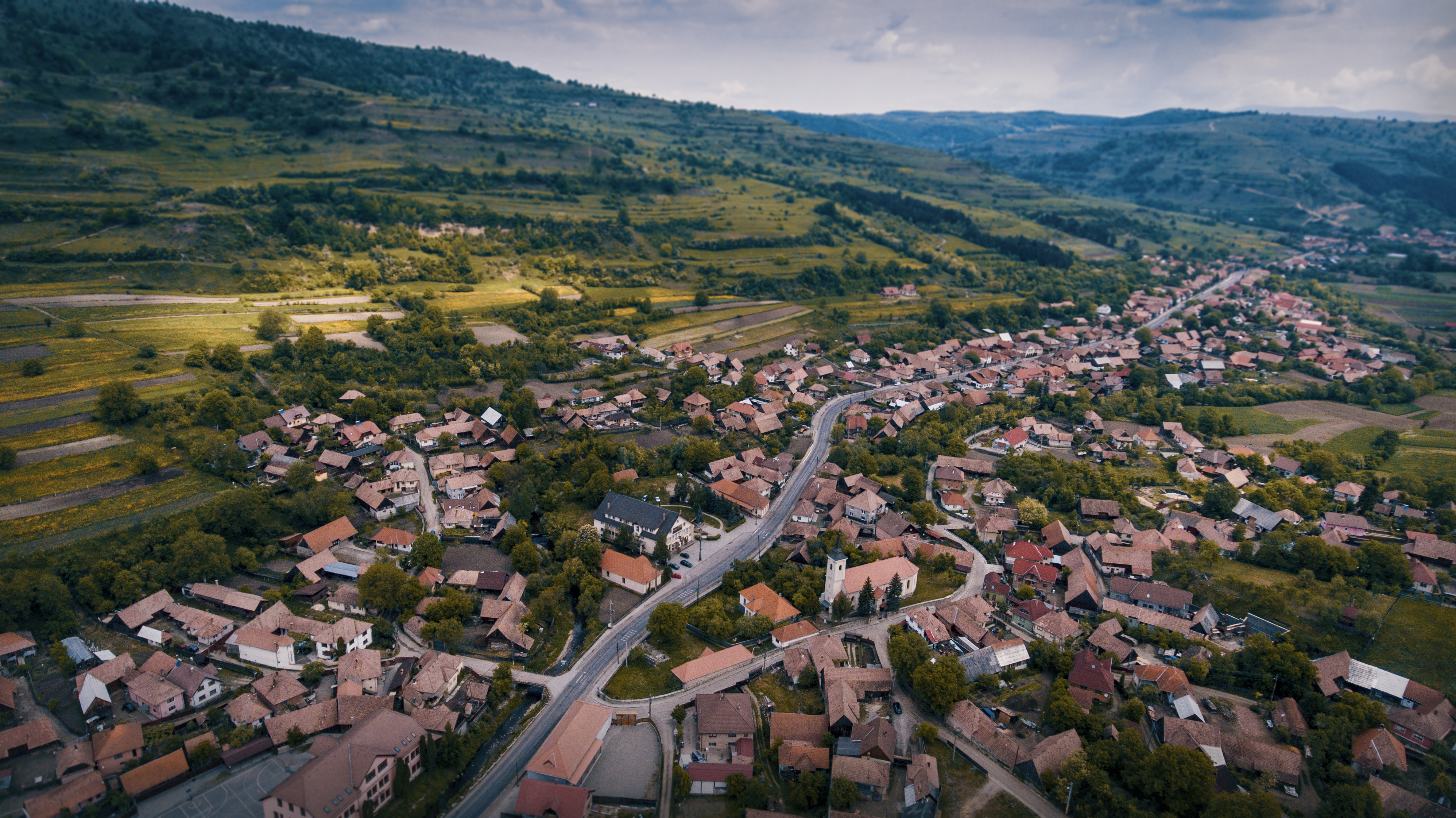
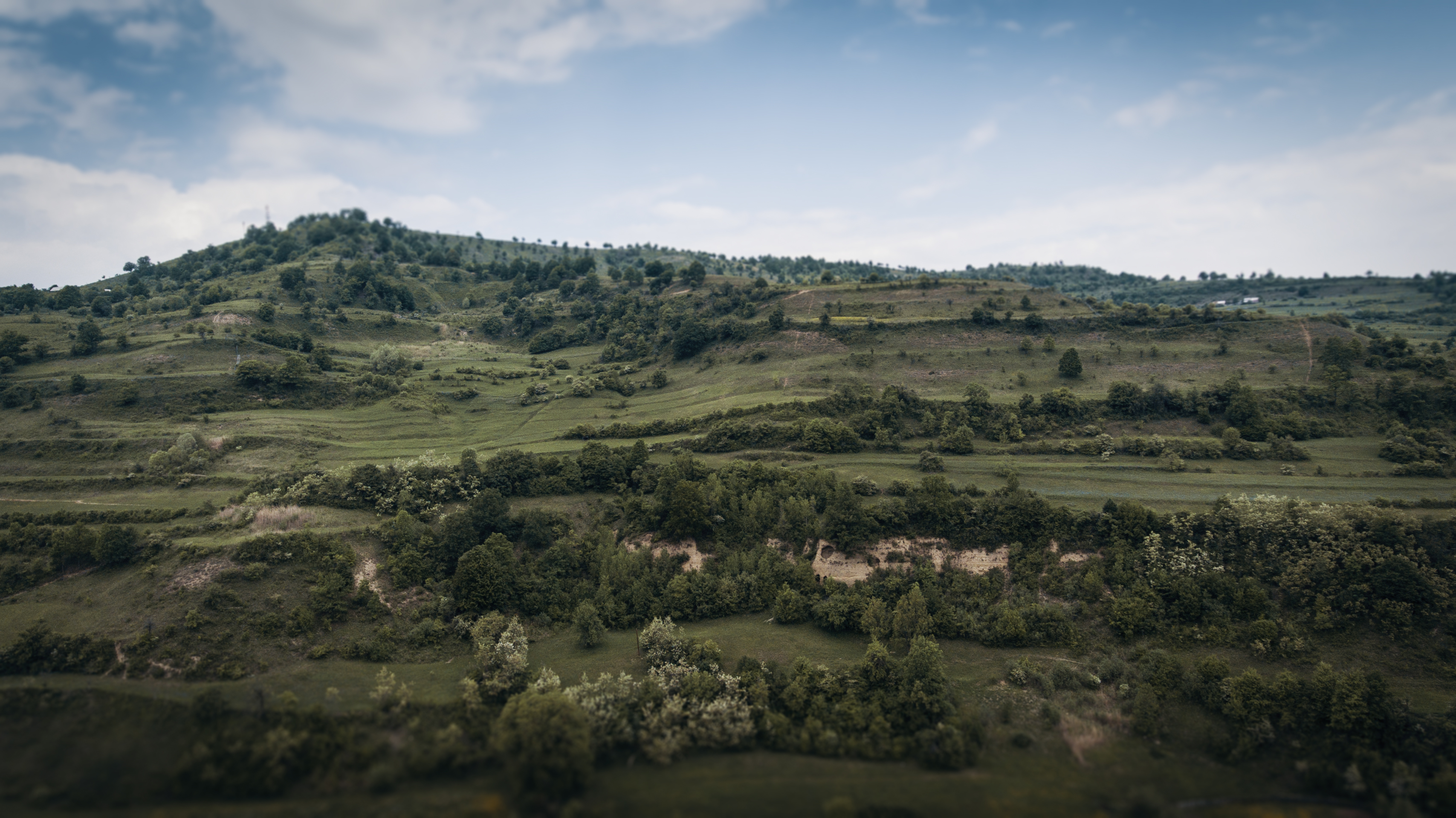
On the way to Márefálva, surrounded by beautiful hills, search with your eyes the caves in the stone. They were dug by villagers during the Tartar invasion. About this topic, legends and history come together: before Tartars were assaulting the city, the villagers started digging these holes in the high hills around the city. During the attack, the entire town -people and animals- moved into these caves provided with all the necessary goods to survive. Tartars were waiting to let them starve. At one point both sides, Tartars and Szeklers, happened to be in difficult conditions and in this scenario villagers came up with a brilliant idea: they started to cook a huge fake kürtőskalács (traditional sweet) outside of the cave, in order to show to the Tartars that they were still full of food while their enemies were suffering from hunger. Tartars fell into the trap and decided to leave.
THE TRADITIONAL HOUSES
All the traditional houses are characterized by a three-rooms structure. One of them is the clean room: the family were using this room only during special occasions and celebrations.
In the opposite side, there is the room where the all family used to sleep and spend the everyday life. It is curious that, in this time, each household was composed by a large number of relatives- this small room could accommodate fifteen people at the same time!
The third room is the kitchen. It is situated in the center of the house, right next to the entrance, and many basic daily-activities were taking place in there. Pay attention to the large quantity of the original tools stored in this place and try to investigate their purpose! Also- a fun custom they had- was to let sick people sleep over the oven: they could take benefit from the warmth of that place and get well sooner.
Most of the furnitures and tools in the house are fully decorated following the traditional patterns of this land and they were donated from the villagers themselves: these things are true historical items, witnesses to innumerable stories!
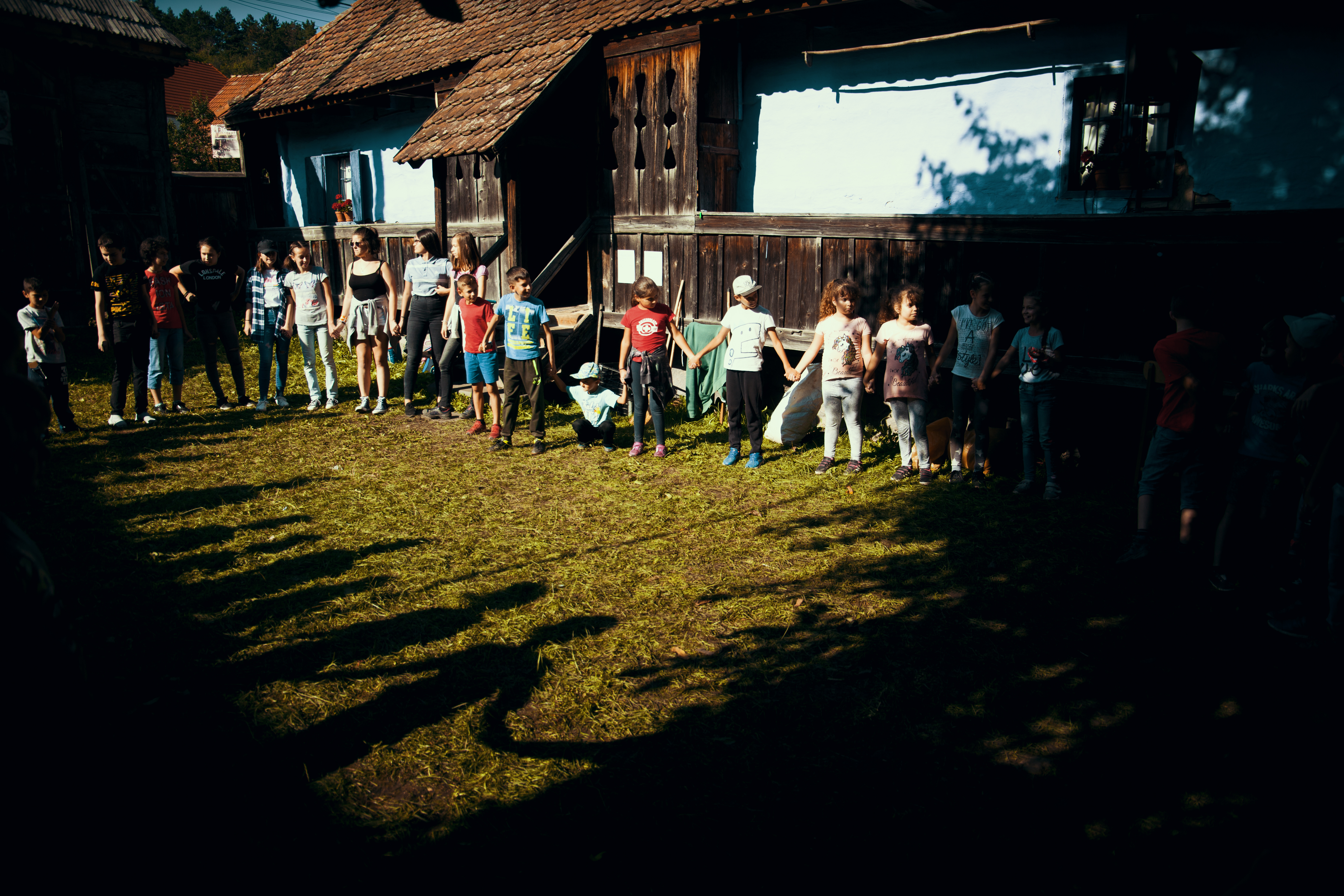
While looking at the houses try to notice their colours- they were painted in differents shades of blue due to the richness of the family: if the walls are dark-blue coloured there were living a rich family inside. Basically, the lighter the blue is, the poorest was the family. Red geranium plants are a common decoration outside the windows, they create a nice contrast with the blue walls.
Separated from the house there was another construction where the family used to work. The wheat – once recollected – was stored and processed here. Also, it was used as a stable for the horses and a parking for the cart.